Vegan Certification Vegetarian Certification
Operated by VegeProject Japan, with experience
in public-sector and international collaboration























What Are Vegan and Vegetarian Certifications?
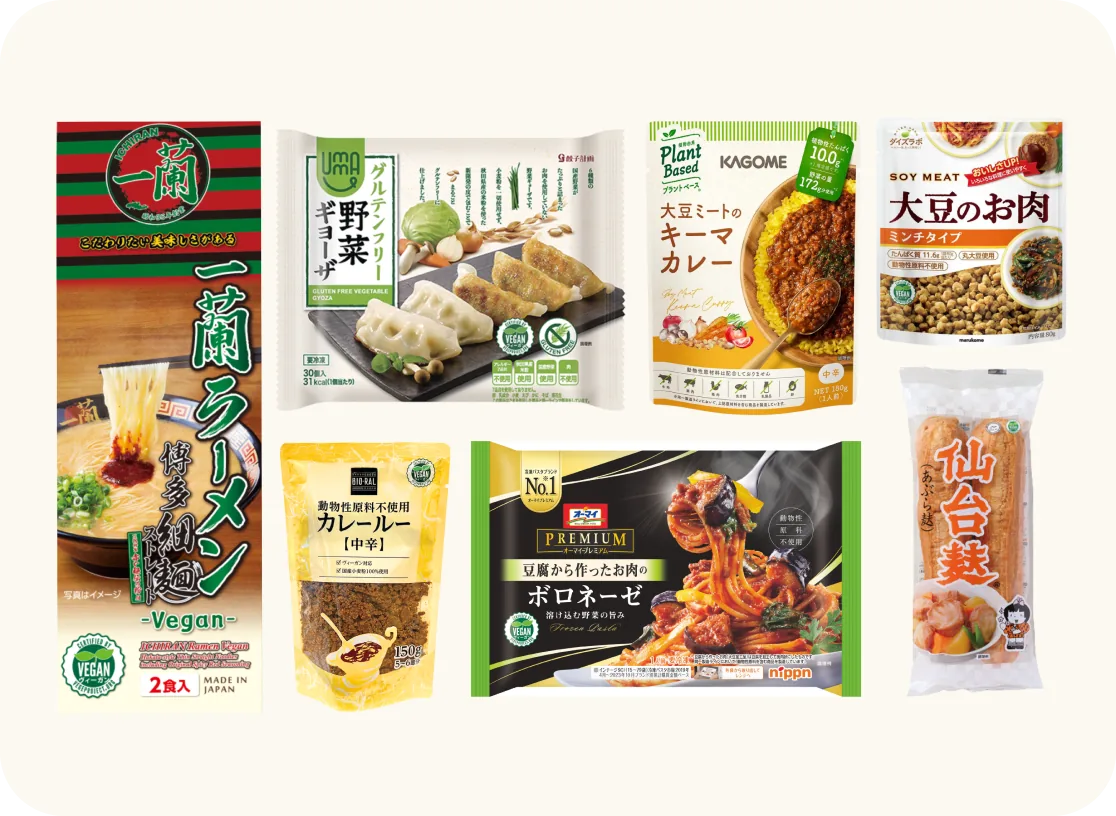
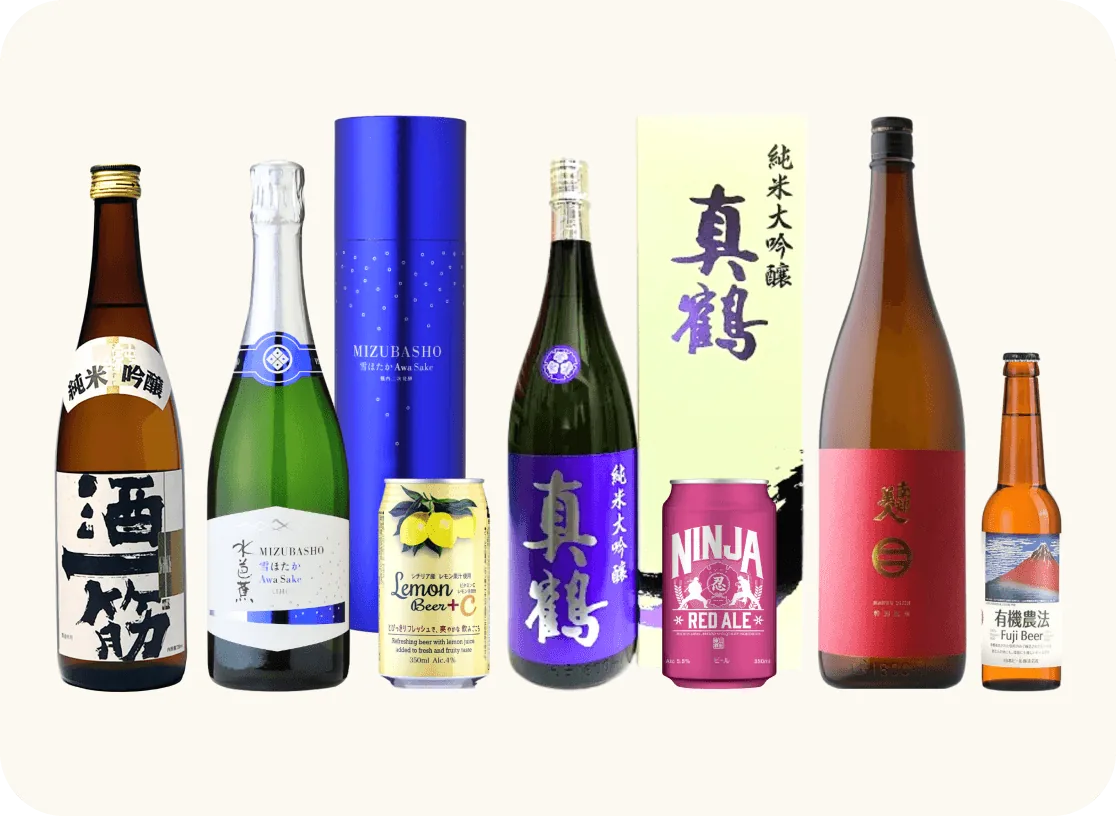
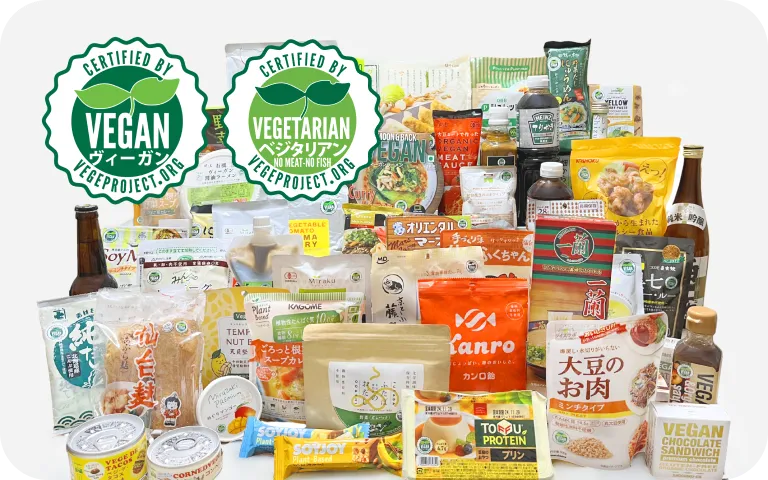
Vegan and vegetarian certification is a system in which a certification body reviews ingredients and manufacturing processes to verify that no animal-derived ingredients or animal testing are involved. As of September 2026, VegeProject Japan's vegan certification has been obtained by more than 1,800 products and menu items from over 300 companies, making it the most widely used vegan mark on products in Japan.
Vegan Certification
Certification indicating, among other criteria,
no animal-derived ingredients and no animal testing
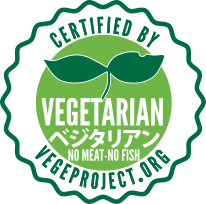
Vegetarian Certification
Certification indicating, among other criteria,
no meat or seafood and no animal testing
Why Get Certified?
-

Helps customers choose with confidence
Third-party review builds consumer trust and clearly identifies eligible products in stores and online.
-

Allows businesses to confidently brand products as vegan or vegetarian
Businesses can reduce uncertainty and the risks of self-assessed vegan standards.
-

Contributes to sustainability and food diversity
Vegan and vegetarian products have a lower environmental impact and accommodate diverse dietary needs.
Why Choose VegeProject
-
 POINT
01
POINT
01
Japan’s Most Widely Used
Vegan MarkUsed by many businesses, from large corporations to small and medium-sized businesses. It has also been adopted at national and private universities, ward offices, and other institutions.
-
 POINT
02
POINT
02
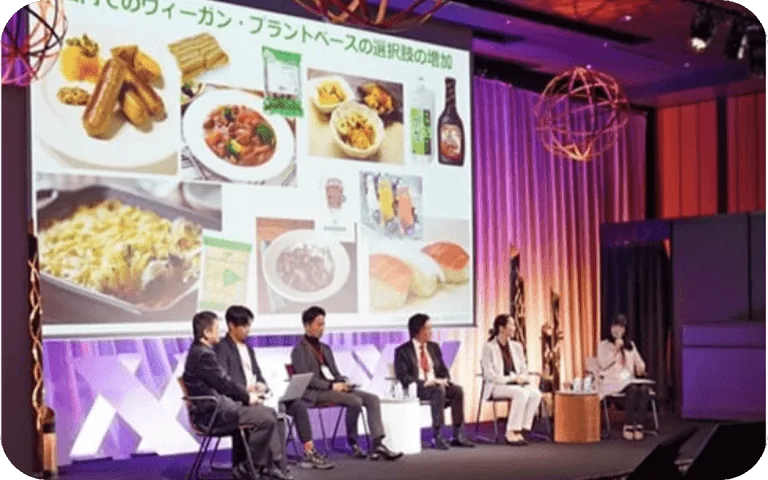
Support Drawing on
Expertise and NetworksWith a track record since 2013, we provide ongoing support as vegan and vegetarian specialists. We also offer advisory and PR opportunities.
-
 POINT
03
POINT
03
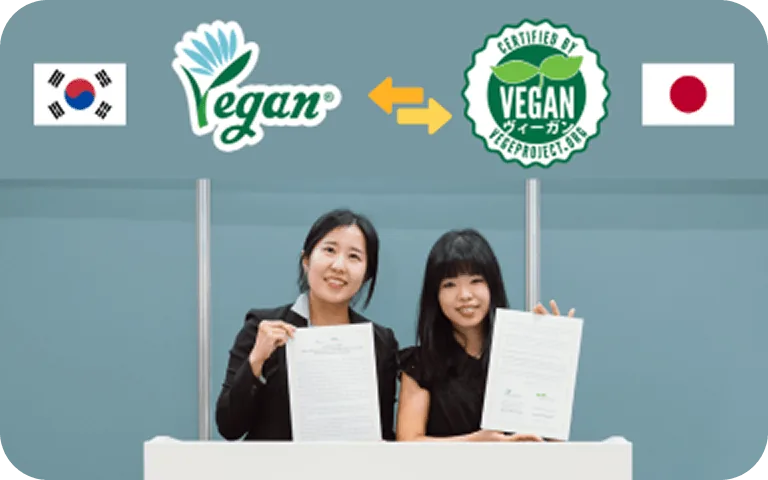
Internationally Recognized
Certification StandardsWe are the only organization in Japan to have established mutual certification with an overseas vegan certification body. Through ongoing discussions with certification bodies worldwide, we set standards that reflect consumer expectations.
Types of Certification
-
For Products

Available for products meeting criteria such as
no animal-derived ingredients
and no animal testing
(food, cosmetics, daily-use goods, etc.)Note: Vegetarian certification is also available for products.
-
For Restaurants and Accommodations


Available to restaurants,
accommodations, and similar facilities
offering at least one main menu item
that meets vegan standardsNote: Certification is also available for catering menus and similar offerings.
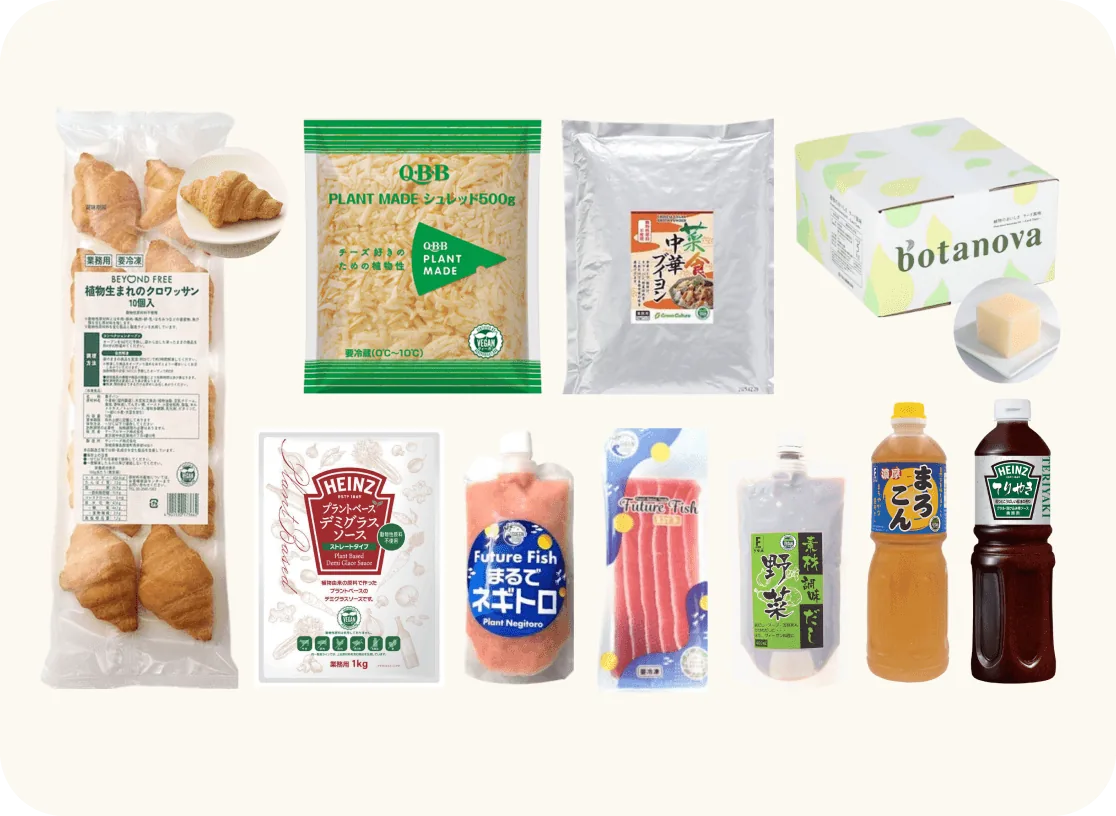
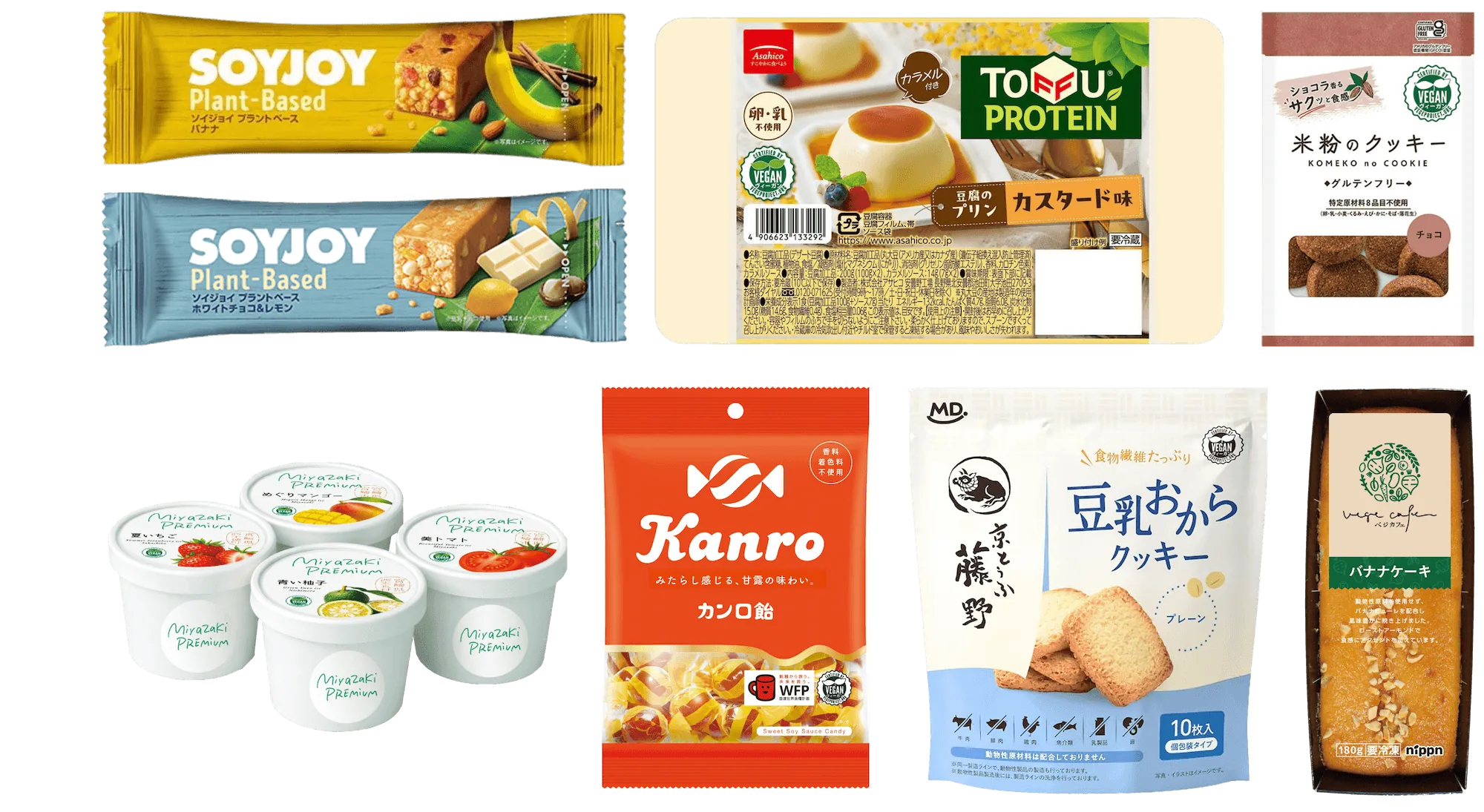
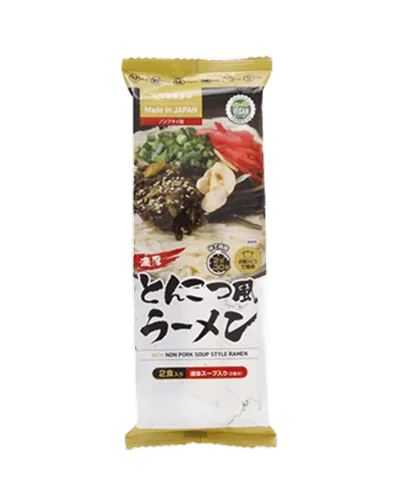
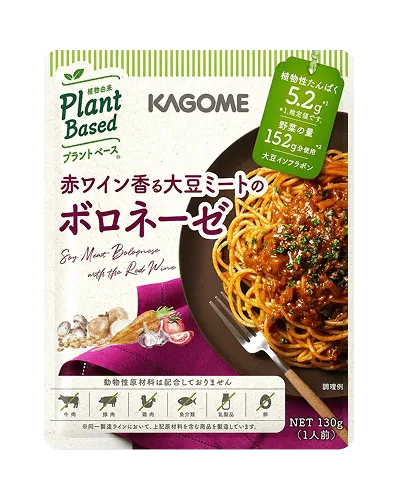
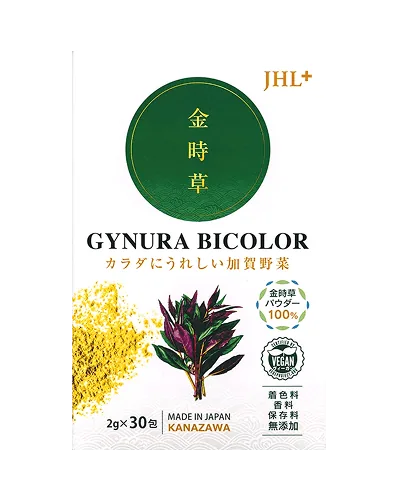
Examples of Certified Categories
-
Seasonings
-
Retort-Packaged Foods
-
Frozen and
Refrigerated Foods -
Dried and Canned Foods
-
Confectionery
-
Beverages and Alcoholic Drinks
-
Ingredients and
Food-Service Products -
Cosmetics &
Daily Goods -
Restaurants and
Cafeterias -
Hotels and Ryokan
Note: The examples are not exhaustive; our certification has been granted across a broader range of product categories and industries.
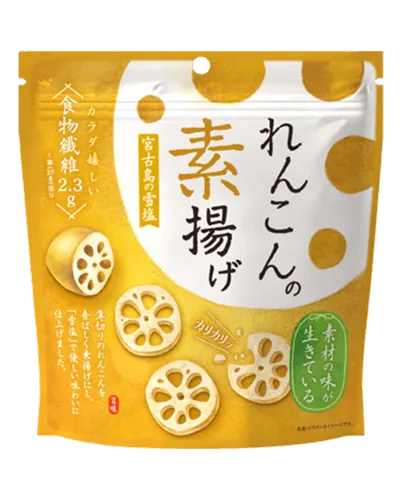
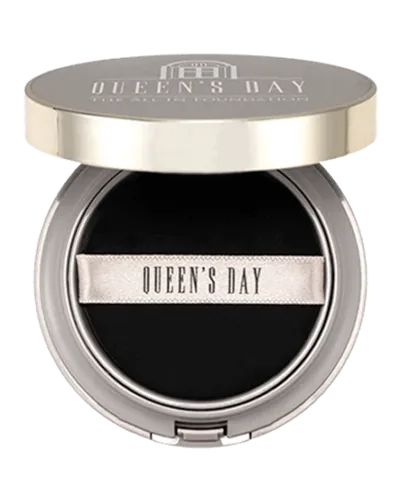
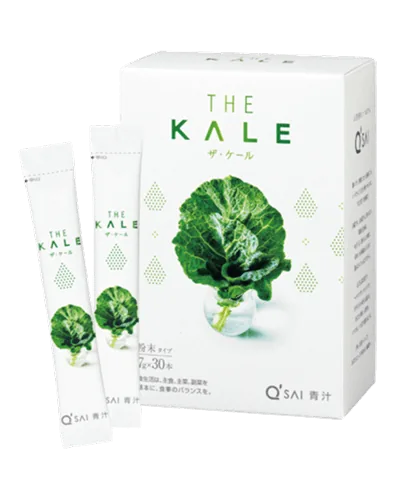
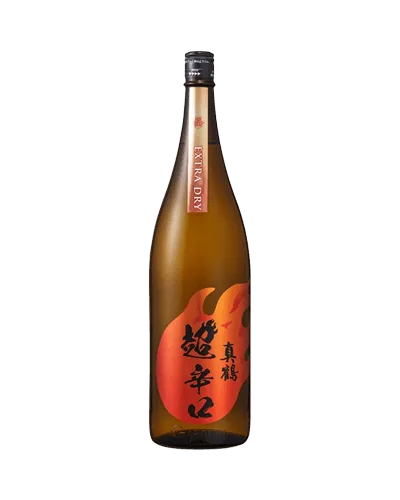
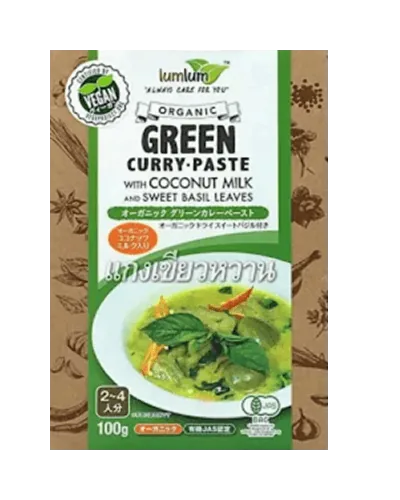
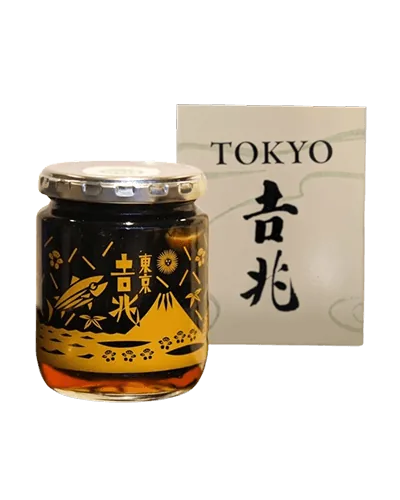
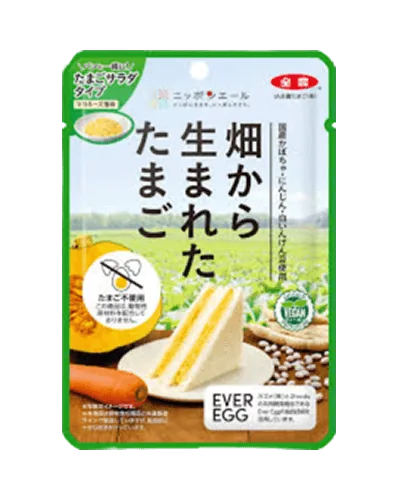
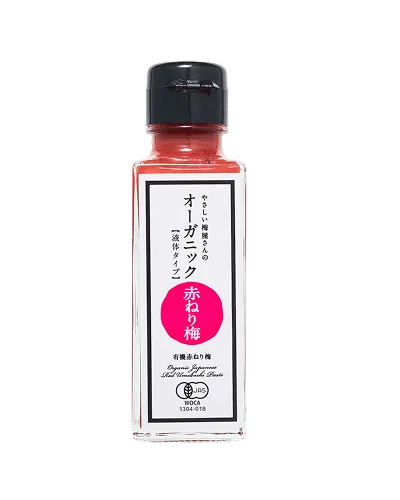
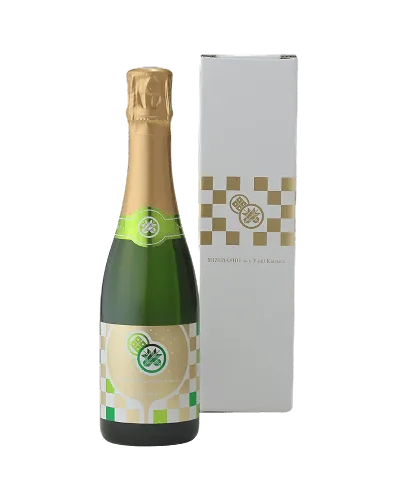

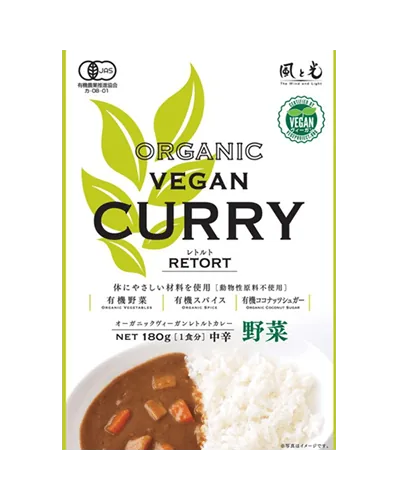
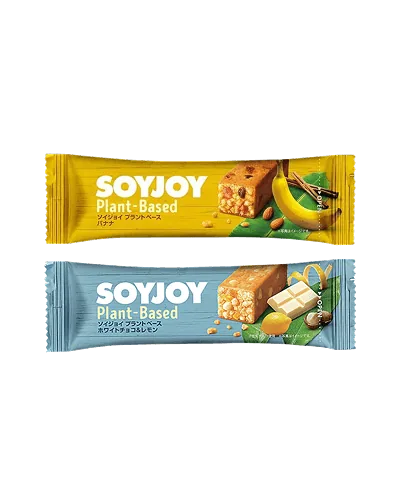
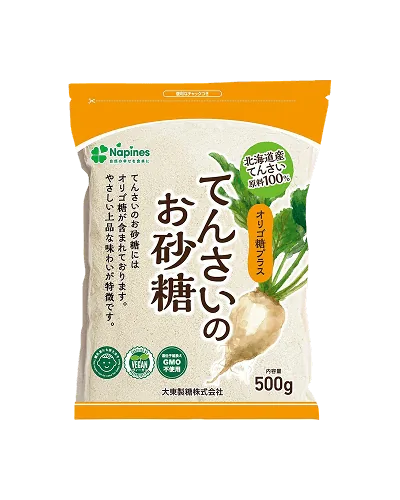



Vegan Certification
/ Vegetarian Certification
For details about criteria, process and fees
Certification Fees
-
Individual Product
15,000JPY/year
-
Product Series (e.g., different flavors or sizes)
30,000JPY/year
-
Restaurant or Cafeteria
30,000JPY/year
- Note: For certified products, renewal fees from the second year onward vary if sales exceed a specified amount.
- Note: Prices exclude tax.
- Note: Rules apply to what may be grouped as a series.
Benefits and Services Included in Certification Fees
-

Support
We are always available for consultation on product development and related matters, as well as support in responding to consumer inquiries.
-

Listed for Buyers
Certified products are included in a list shared with buyers who consult us.
-

Mutual Certification
Through a simple procedure and at no additional certification fee, businesses can also obtain the most widely used vegan certification in South Korea.
-
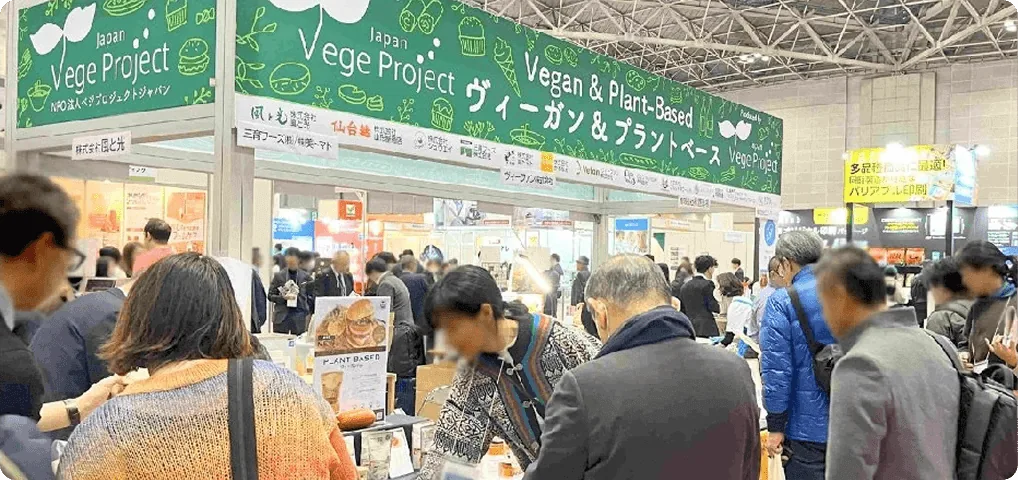
Trade Show Business and Exposure Opportunities
Each year, we create areas dedicated to vegan products at B2B trade shows. Certified businesses can join our group exhibits and receive exhibitor discounts and other benefits.
-
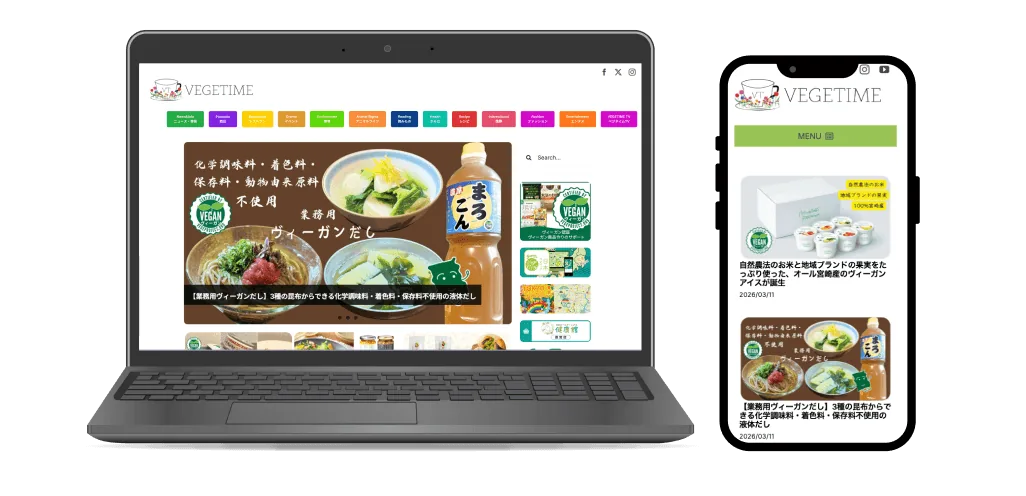
Promotion on Online Media and Social Media
We create and publish free articles featuring certified products and restaurants on VegeTime, our vegan and vegetarian information website. We also feature them on our social media accounts (more than 20,000 followers).


Testimonials
-

NIPPN CORPORATION
Food Service Products Division
Shimamoto
We offer a product lineup broad enough to create a full course, from appetizers to dessert, using our plant-based products. All of them are vegan certified.
Hospitality businesses using our products display the vegan certification mark alongside our products on buffet tables.
They have told us, “It makes it easy for national and international guests to recognize at a glance that the menu items and products are vegan.”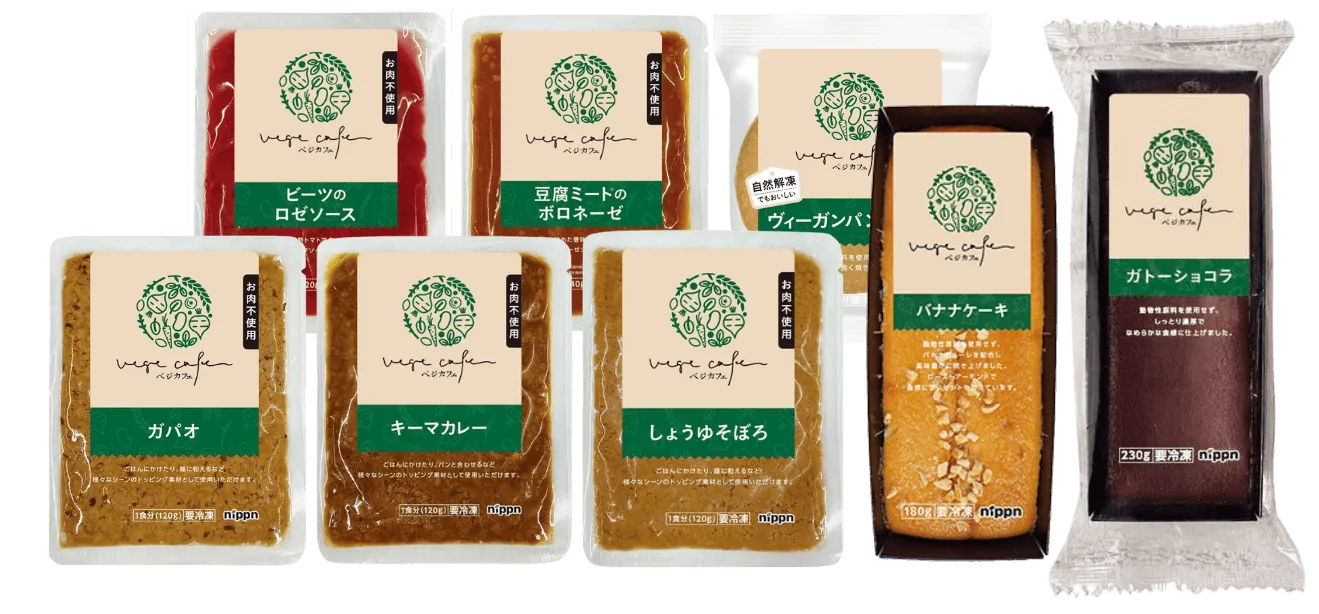
-

Deats Food Planning Co., Ltd.
Marketing Department
Erika Kasai
By obtaining certification, Deats gained a clear and trusted indication that it can be served to vegan customers with confidence.
The ingredient standards became clearer, leading to expanded adoption by hotels, shojin ryori restaurants, and airport lounges. It has become easier to demonstrate our ability to accommodate international visitors and diverse dietary restrictions, improving both sales and brand value.
We took a major step toward establishing a “third option” chosen worldwide alongside meat and fish.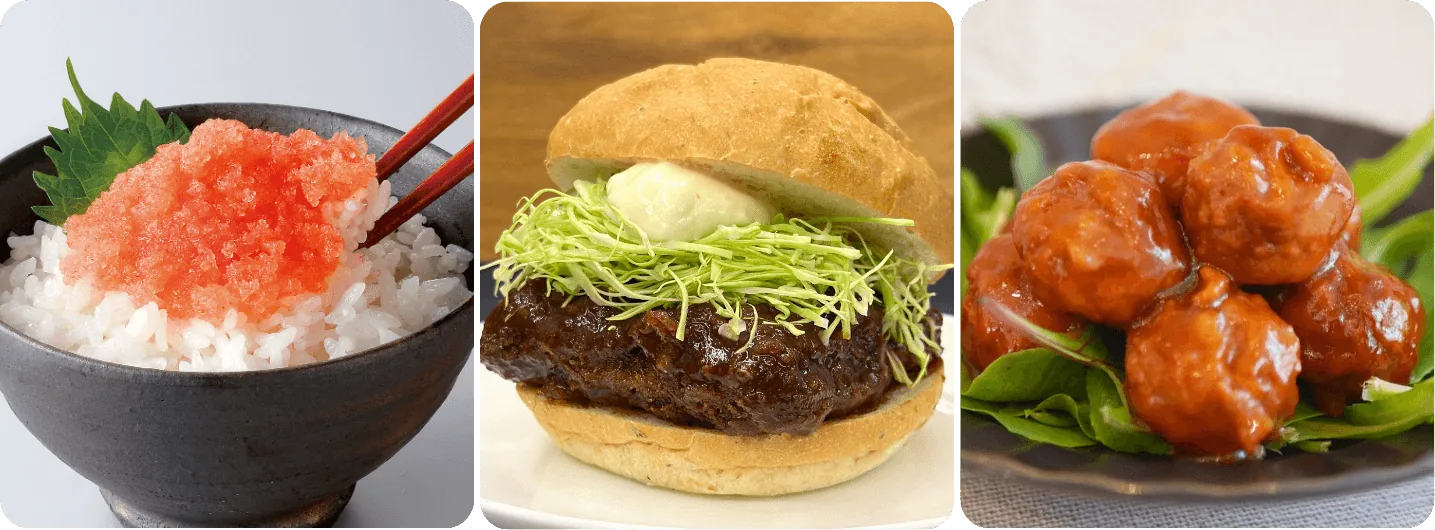
-

Yamagataya Shoten Co., Ltd.
Tokyo Sales Office
Fuminori Tateishi, General Manager
We have obtained vegan certification for Sendai Fu, a product passed down as part of Miyagi Prefecture’s food culture.
Certification has provided broad promotional benefits when communicating Sendai Fu’s versatility and cooking methods.
We also created a collection of vegan recipes using Sendai Fu, expanding menu proposals across Japanese, Western, Chinese, and dessert dishes.
Clearly presenting Sendai Fu as a vegan-friendly ingredient with certification has led to greater adoption by food-service businesses.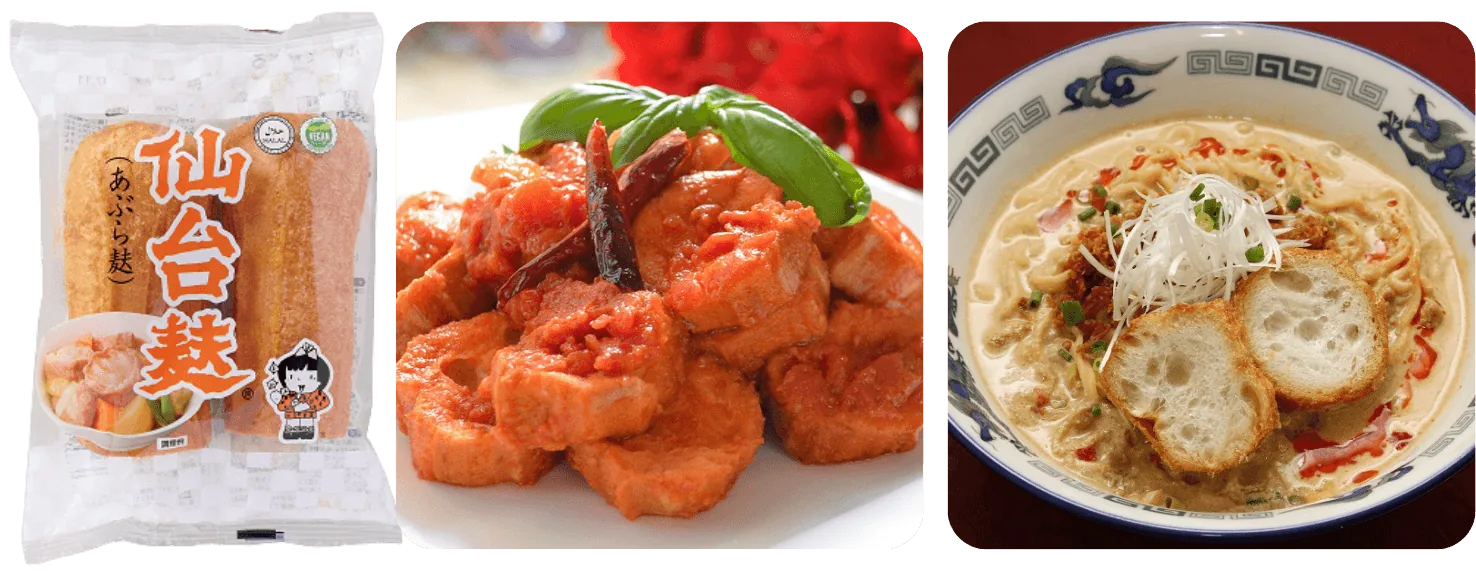
-

R.B.G Co., Ltd.
Yuki Sato, Operations Manager
We plan and sell skincare products formulated with 100% naturally derived ingredients.
After receiving many questions from vegan customers about animal-derived ingredients and animal testing, we obtained vegan certification so they could use our products with greater confidence.
Now, more international customers can confidently purchase our products after seeing the vegan mark.
-

JR East Cross Station Co., Ltd.
Foods CompanyT’s Tantan Business Development Department
Marketing Group
Planning Team
Terumi Kaneko, Manager
“T’s Tantan” serves vegan dishes made without any animal-derived ingredients, and filled with “richness, umami, and surprise.”
Our “Smile Veg” concept is about food that is gentle on the body, lifts the spirits, and brings a smile to everyone who tries it. We invite you to experience it for yourself.
We display the vegan certification mark at store entrances and on menus so customers can dine with confidence.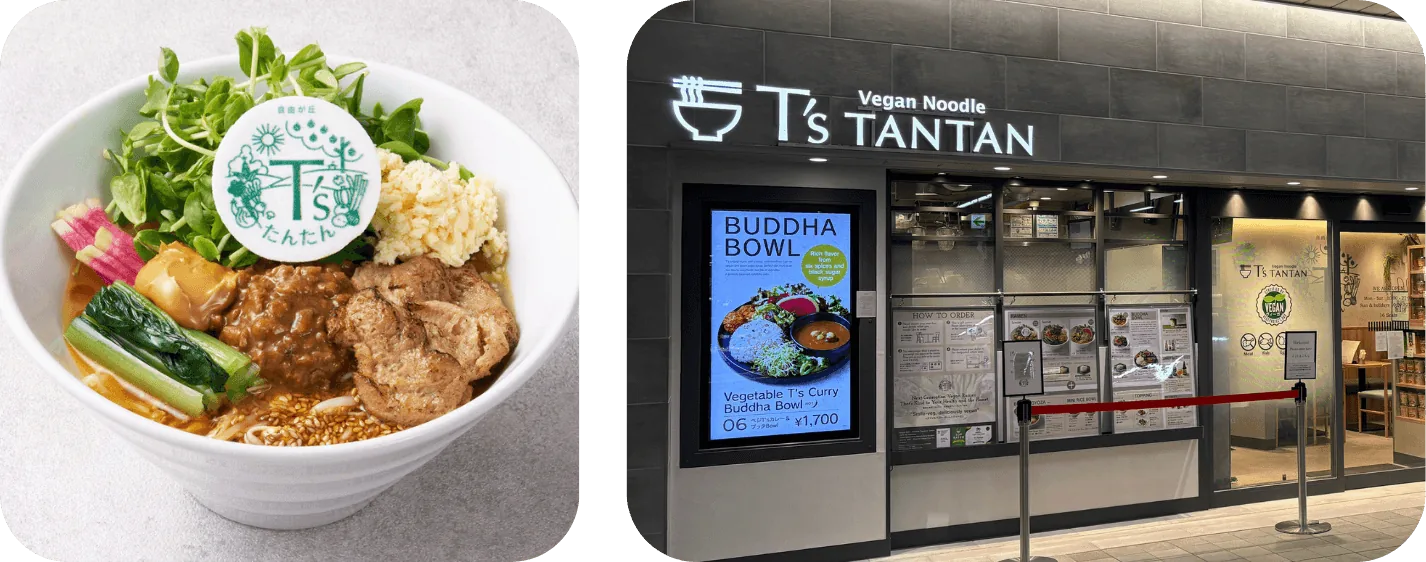
-

The University of Tokyo Co-op
Tomoko Mizuguchi, Managing Director
At the University of Tokyo Co-op, an international vegan student asked to be able to eat with everyone else in their laboratory. We held regular meetings to develop and serve vegan menus. However, opinions and requirements differed among international students, making it difficult for us to offer the menus with confidence.
When we learned about and obtained vegan certification, our outlets became able to serve the menus with confidence, and we feel that users can now dine with greater peace of mind.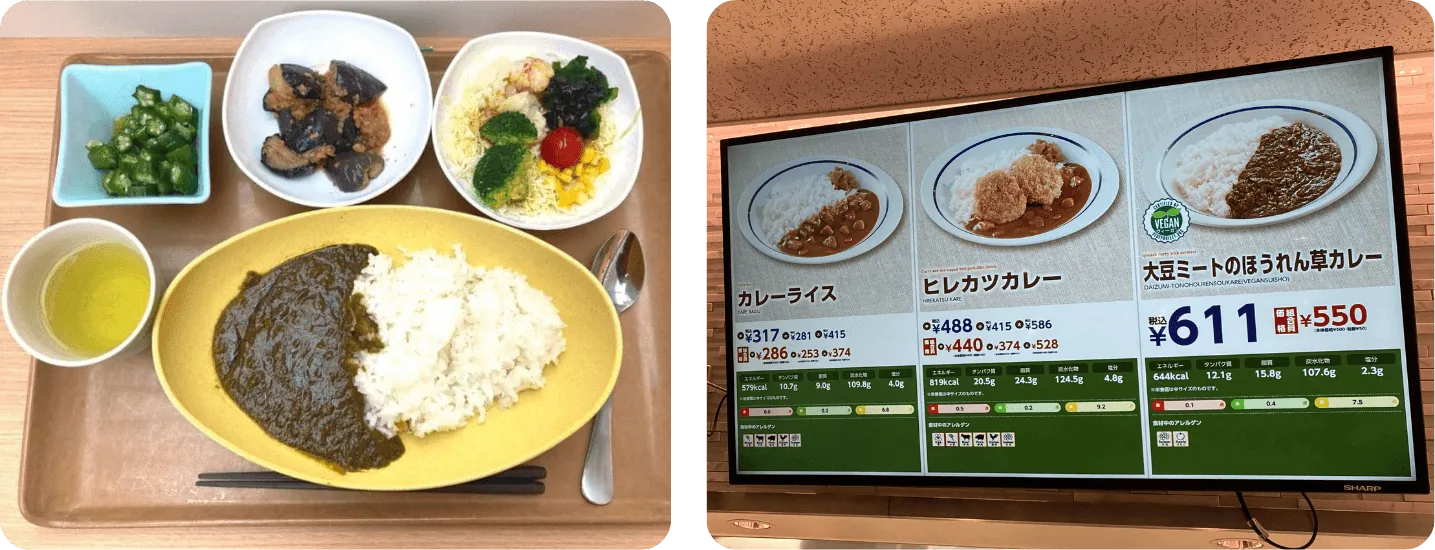
Vegan Certification
/ Vegetarian Certification
For details about criteria, process and fees
FAQ
-
As of September 2026, more than 1,800 products and menu items have obtained VegeProject Japan's vegan or vegetarian certification, held by over 300 companies. The certification is used by a wide range of businesses, from large corporations to small and medium-sized enterprises and sole proprietors, and has also been adopted by national and private universities and ward offices. It is the most widely used vegan mark on products in Japan.
-
A wide range of businesses use the certification, including food manufacturers, restaurants, accommodation facilities and university co-ops. Examples include Miyoshi Oil & Fat, NIPPN, Kagome, Marukome, JR East Cross Station and the University of Tokyo Co-op.
-
Vegetarian certification applies to products that do not use meat, seafood, or ingredients derived from them. Vegan certification applies to products that do not use any animal-derived ingredients, including meat, seafood, eggs, dairy products, and honey.
-
Especially in Japan, “plant-based” has a less clearly defined meaning than vegan or vegetarian. Some consumers expect standards equivalent to vegan, while in other cases a product may be called plant-based if only its main ingredients are plant-derived. As a result, products labeled plant-based may not provide vegan or vegetarian consumers with enough information to buy with confidence. If a product is suitable for vegans or vegetarians, we recommend stating this.
-
Honey is considered an animal-derived ingredient, so products containing honey cannot obtain vegan certification.
-
Vegan standards focus on whether animals are used, while vegetarian standards focus on whether meat or seafood is used. Halal refers to what is permitted under Islamic teachings; organic standards concern the use of pesticides, chemical fertilizers, and similar substances; and gluten-free indicates the absence of gluten, which is found in wheat and other grains.
Because their standards and purposes differ, a product may or may not be halal, organic, or gluten-free in addition to being vegan or vegetarian. -
Our vegan and vegetarian certifications cover the Vegan JAS and Vegetarian JAS standards. When establishing our criteria and the scope of our review, we also consider requirements set by overseas certification bodies and the expectations of consumers in Japan and overseas. We also attended general meetings of the parliamentary league involved in establishing Vegan JAS and Vegetarian JAS and provided expert advice.
-
The process is outlined below.
1. Application
2. Payment
3. Review
4. Notification of the review result (we may request investigations or adjustments as needed)
5. Certification once compliance with the criteria has been confirmed
For details, please see our informational materials. Request the informational materials via our Contact Us page. -
Please refer to our informational materials. Request the informational materials via our Contact Us page.
-
Yes. However, if animal-derived ingredients are also used on the same equipment during manufacturing and cross-contamination may occur, this must be disclosed on the product packaging, menu, or similar material. Preventive measures, such as cleaning the production line before making the certified product, must also be implemented.
-
The time required varies depending on the product design, conditions, and other factors. Our informational materials provide an estimate. Request the informational materials via our Contact Us page.
-
If an item does not meet the certification criteria or compliance cannot be confirmed during the review, certification may still be obtained once the necessary response or adjustment—such as changing an ingredient or submitting additional documents—allows us to confirm compliance.
The review may be placed on hold for up to one year to allow time for these responses and adjustments. If certification is ultimately not obtained, a predetermined amount will be refunded. -
Yes. We do not use confidential information received for the review for any purpose other than the review. We can also enter into an NDA upon request.
-
After certification, the mark may be printed on the package, applied as a sticker, or omitted. When we notify you of certification, we will provide the certification mark data and usage rules. If you would like to review the usage rules in advance, please Contact Us.
-
For details regarding specific countries and regions, we recommend checking with local distributors; however, we have many certification records for exported products.
-
A product manufactured overseas can obtain vegan certification if it is sold in Japan. A Japanese product can also obtain certification even if it is not sold domestically.
Vegan and Vegetarian Certification Criteria
Vegan Certification
Vegan products must use no animal-derived ingredients, including meat, seafood, eggs, dairy, honey, or any ingredient derived from these. All ingredients and their sub-ingredients are examined. Frying oil used must be vegetable oil that has not been used to fry animal-derived products. Alcoholic beverages must not use substances of animal origin as fining agents in their refinement and processing. Sugar in the ingredient list must not use bone char in the filtration and decolorization processes. Animal testing must not be conducted for the certified product. If there is a risk of cross-contamination with animal-derived substances due to the use of equipment that also processes these substances, this risk must be clearly indicated on the product packaging or menu, and appropriate cross-contamination prevention measures must be implemented.
Furthermore, understanding veganism as a lifestyle that aims to avoid animal exploitation, which includes but is not limited to their use for food, our organization may implement additional requirements. These will be based on individual considerations, international judgments, and current trends, supplementing the previously stated criteria.
Vegetarian Certification
Vegetarian products must use no ingredients including or derived from meat, seafood, etc. All ingredients and their sub-ingredients are examined. Frying oil used must be vegetable oil that has not been used to fry meat, seafood, insects, etc. Alcoholic beverages must not use substances of meat, seafood, etc as fining agents in their refinement and processing. Sugar in the ingredient list must not use bone char in the filtration and decolorization processes. Animal testing must not be conducted for the certified product. If there is a risk of cross-contamination with meat, seafood, insects, etc., due to the use of equipment that also processes these substances, this risk must be clearly indicated on the product packaging or menu, and appropriate cross-contamination prevention measures must be implemented.
Furthermore, our organization may implement additional requirements. These will be based on individual considerations, international judgments, and current trends, supplementing the previously stated criteria.
Vegan Certification
/ Vegetarian Certification
For details about criteria, process and fees